Concertgebouworkest & Iván Fischer - met Beethovens Negende
Ziggodome Amsterdam, De Passage 100, 1101 AX Amsterdam Directions
Sat 03.10.2026 20:00
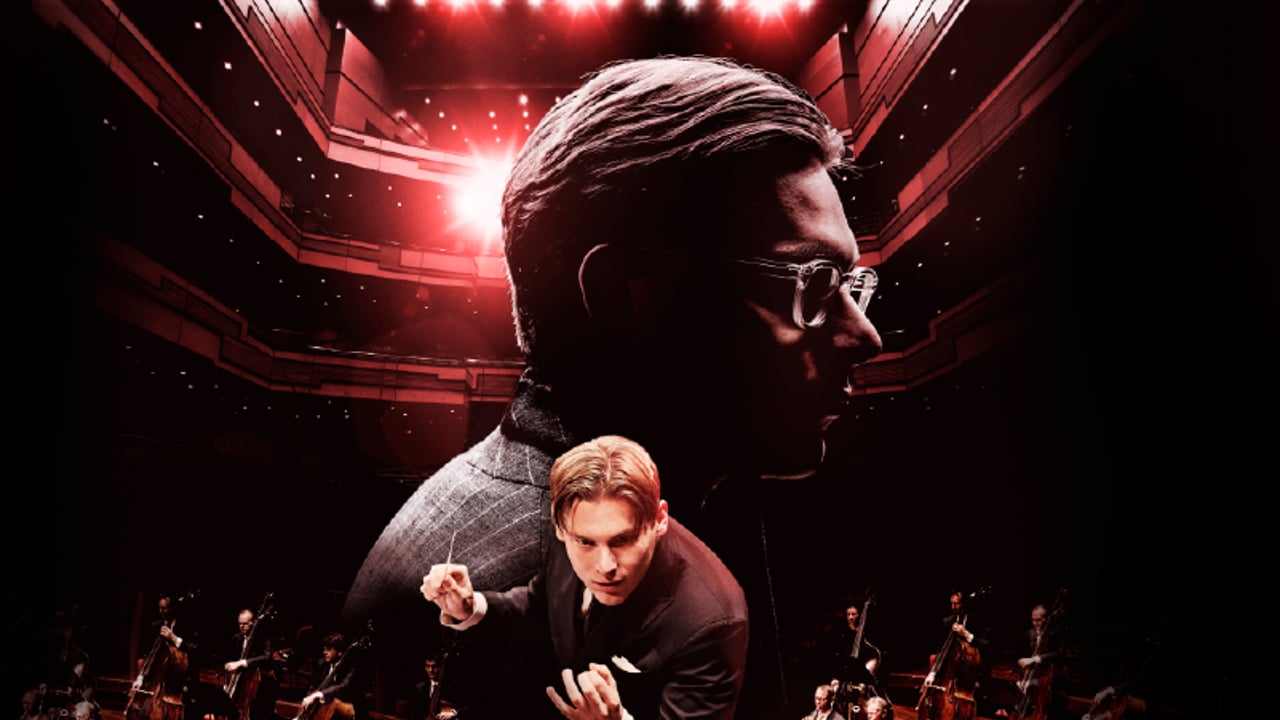
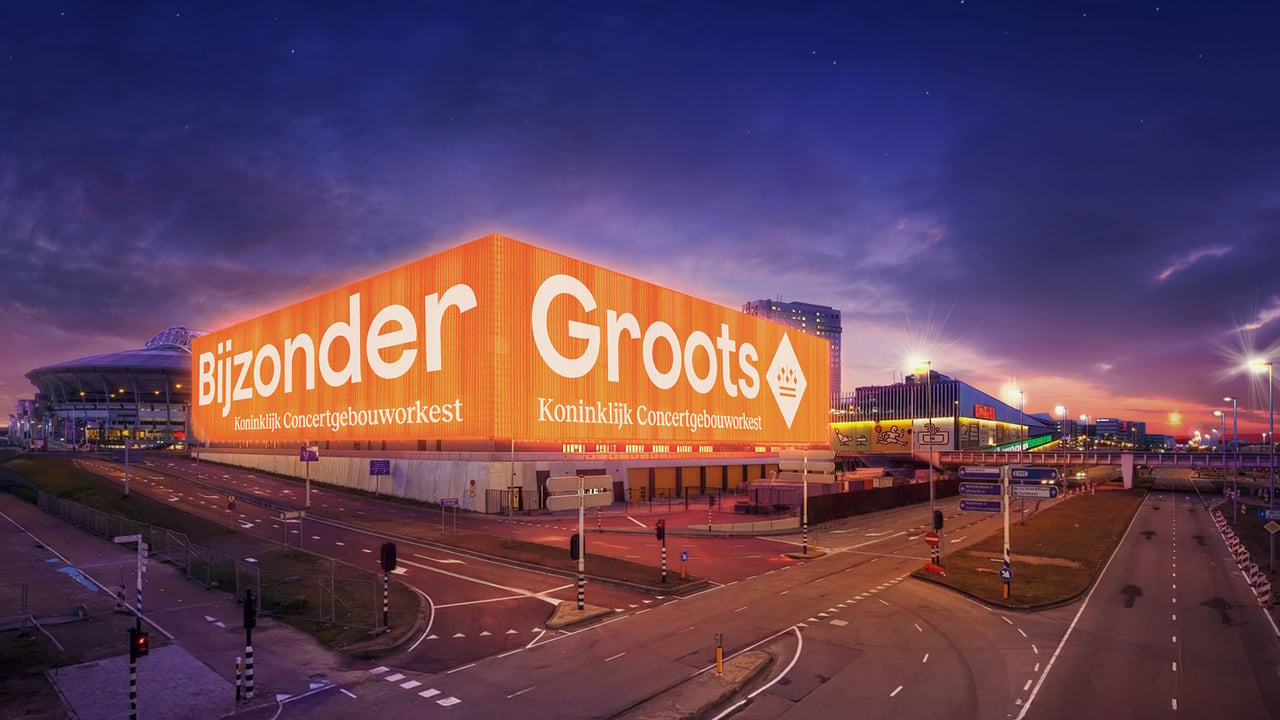
Dit evenement heeft alleen mobiele tickets. Ticketkosten: De ticketprijzen voor dit evenement zijn hier te vinden (onder 'Extra info'). Prijzen zijn inclusief servicekosten. Afhankelijk van de gekozen betaalmethode kunnen er per bestelling betaalkosten van toepassing zijn. Joe Hisaishi's betoverende filmmuziek Op vrijdag 2 oktober 2026 leidt de componist en dirigent Joe Hisaishi een selectie uit zijn veelgeprezen filmmuziek. Daaronder de muziek die hij maakte voor de magische films van Studio Ghibli, zoals Spirited Away, Ponyo en Howl's Moving Castle van de legendarische filmmaker Hayao Miyazake, compleet met filmfragmenten op groot scherm. Bovendien dirigeert Joe Hisaishi een selectie uit zijn muziek voor de gelauwerde films van topregisseur Takeshi Kitano, zoals Hana-bi (Fireworks) en Kids Return, en nog veel meer. Dit concert biedt een zeldzame gelegenheid om Joe Hisaishi aan het werk te zien en horen als dirigent en pianist. Dat Hisaishi zelf voor het Concertgebouworkest staat is al een primeur, het biedt ook een unieke kans om zijn betoverende filmmuziek live te horen met beeldmateriaal van Studio Ghibli. Beethovens Grootse symfonie Op zaterdag 3 oktober 2026 speelt het Concertgebouworkest in de Ziggo Dome de iconische Negende symfonie van Ludwig van Beethoven onder leiding van de inspirerende topdirigent Iván Fischer. In de beroemde finale mag het publiek zelf meezingen. Hier voegde Beethoven 200 jaar geleden een koor en vier zangsolisten toe om zijn universele boodschap van vrede en gelijkheid over het voetlicht te brengen op de tekst van Friedrich Schillers Ode 'An die Freude'. De melodie schopte het niet voor niets tot het officiële volkslied van de Europese Unie. In de Ziggo Dome krijgt het orkest versterking van sopraan Eleanor Lyons, mezzosopraan Olivia Vermeulen, tenor Mauro Peter, bas Hanno Müller-Brachmann, het Nationaal Gemengd Jeugdkoor én het publiek. Vóór de pauze zullen dirigent Iván Fischer en vocal coach Irene Verburg het publiek voorbereiden, zodat na de pauze een koor van duizenden meezingt in de beroemde Finale van Beethovens Negende symfonie. Concertgebouworkest Bijzonder Groots Het Koninklijk Concertgebouworkest bestaat al 137 jaar en wordt tot de beste orkesten ter wereld gerekend. Jaarlijks geeft het zo'n 130 concerten -- in Het Concertgebouw, maar ook in andere concertzalen over de hele wereld. Het Concertgebouworkest wil zo veel mogelijk mensen betoveren met de magie van klassieke muziek. Daarom treedt het op steeds meer verschillende plekken op. Zo gaf het orkest de afgelopen jaren openluchtconcerten op diverse spectaculaire locaties in Amsterdam. Met de concerten in de Ziggo Dome gaat het orkest nog een stap verder: daar kunnen per avond zo'n 12.500 muziekliefhebbers genieten van de veelgeroemde klank van het Concertgebouworkest. Dominik Winterling, algemeen directeur Concertgebouworkest: 'Met deze concerten in de Ziggo Dome gaat het Concertgebouworkest geschiedenis schrijven. 'Bijzonder Groots' is de overtreffende trap van onze ambitie om de passie voor klassieke muziek met zoveel mogelijk mensen te delen. De films van Studio Ghibli spreken tot de verbeelding bij jong en oud, en Joe Hisaishi's aanstekelijke muziek raakt precies de juiste snaar. We zijn er bijzonder trots op dat hij zelf naar Nederland komt om met ons orkest zijn muziek uit te voeren. Beethoven is waarschijnlijk de populairste klassieke componist ter wereld, en niet voor niets. Samen met onze honorair gastdirigent Iván Fischer maken we er een groot feest van!' Kim Bloem, directeur MOJO Concerts: 'We zijn vereerd dat het Koninklijk Concertgebouworkest, een van de absolute toporkesten van de wereld, met ons dit avontuur wil aangaan. MOJO organiseert dagelijks concerten met grote nationale en internationale artiesten, en de wens van het Concertgebouworkest om ook in de Ziggo Dome te spelen en een groot publiek te bereiken voelt dus als een een-op-een match. Bijzonder Groots met Joe Hisaishi, die onder andere zijn populaire muziek bij de films van Studio Ghibli komt dirigeren, is een absoluut unicum. Bij Bijzonder Groots Beethoven kan iedereen in het publiek de finale meezingen met het orkest, het koor en de solisten. Na deze avond heeft men kunnen ervaren hoe Groots Beethoven voelt.'
Performers
-
Koninklijk Concertgebouworkest
Outstanding musicians, great conductors, special relationships with composers and an exceptional hall. Discover all the key elements making up 130 years of history.
A very special artistic whole
Over 120 orchestral players hailing from some twenty-five countries perform together as a unique artistic whole, constantly testing their technical and musical limits on the basis of mutual trust.
A distinctive sound
The Concertgebouworkest’s distinct, individual sound is inextricably linked with the Main Hall of the Concertgebouw. Since its foundation in 1888, this beautiful ‘sounding box’, like that of a string instrument, has formed the basis for the development of the orchestra’s own individual sound in rehearsals and concerts.
The acoustics particular to the hall don’t make it easy for the orchestral players, though. In order to hear each other on stage, they have to listen to one another very closely, as if they were playing chamber music. The orchestra’s unique sound – both homogeneous and transparent at the same time – is the result.
Shaping the repertoire
The Concertgebouworkest is known the world over for its performances of the music of Mahler and Bruckner. It also upholds a number of concert traditions around Easter and Christmas with its Passion performance and the Christmas Matinee.
The orchestra has had only seven chief conductors to date. On 10 June 2022 it was announced that Klaus Mäkelä has been appointed artistic partner with effect from the 2022-23 season and will be the eighth chief conductor as from 2027.
The Concertgebouw Orchestra’s chief conductors each shaped the development of the orchestra’s repertoire in their own way.
From 1895 and 1945, Willem Mengelberg established the Dutch Passion tradition with his annual performances of Bach’s St Matthew Passion.
Eduard van Beinum was largely responsible for the acceptance of Anton Bruckner’s œuvre – not just as part of the Concertgebouworkest’s own repertoire, but also throughout the world.
Bernard Haitink would garner international acclaim with legendary Mahler recordings and internationally televised Christmas Matinees.
Riccardo Chailly led the orchestra in much opera and contemporary music.
Mariss Jansons focused on major twentieth-century composers like Shostakovich and Messiaen.
Daniele Gatti enriched the orchestra’s symphonic tradition with French repertoire and music from the Second Viennese School.
Close collaboration with world-renowned guest conductors and specialists also contributes to the orchestra’s sound and breadth of repertoire. Under the baton of Nikolaus Harnoncourt, for instance, the orchestra established a growing reputation for eighteenth-century repertoire, a tradition that it continues with Trevor Pinnock and honorary guest conductor Iván Fischer.
130 years of contemporary repertoire
During his tenure as chief conductor, Willem Mengelberg enriched the repertoire with works by living composers. Music which audiences were initially not necessarily that receptive to would go on to be incorporated in the orchestra’s core repertoire. Mengelberg’s personal relationships with Mahler, Richard Strauss, Rachmaninoff and Stravinsky resulted in close ties being established between the Concertgebouworkest and these illustrious composers. Strauss, for example, would dedicate Ein Heldenleben to Mengelberg and the orchestra in 1898.
In addition to Strauss and Mahler, such composers as Schoenberg, Debussy, Stravinsky, Ravel and Milhaud also conducted the Concertgebouworkest. The tradition is very much alive and well today, too, with contemporary composers regularly leading the orchestra in their own compositions. In recent years, John Adams, Thomas Adès, George Benjamin and Tan Dun have followed in the footsteps of such composer–conductors as Bruno Maderna, Witold Lutosławski, Otto Ketting, Luciano Berio, Pierre Boulez and Hans Werner Henze.